



You’ve lucked out! Get 25% off your purchase of 2+ digital CPE, discounts on credit packages, and more until midnight on March 31st.
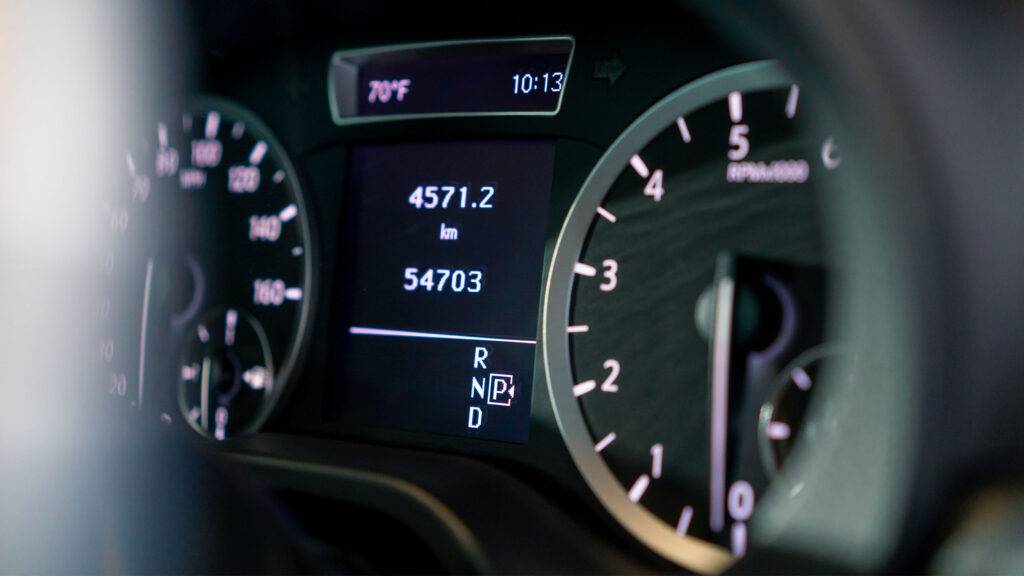
The IRS has released the 2026 standard mileage rates. While not a 2025 return preparation concern, these rates matter immediately for employee mileage reimbursement programs that rely on the federal standard mileage rate, particularly accountable plans that update automatically based on IRS guidance.
Many employers reimburse employee business mileage under accountable plans that reference the IRS standard mileage rate as a safe harbor. Once the IRS releases a new rate, employers that tie reimbursements to the federal rate must update systems effective January 1, 2026.
Key implications:
| Rate Category | 2025 Standard Mileage Rate | 2026 Standard Mileage Rate | Practical Impact |
|---|---|---|---|
| Business use | 70.0 cents per mile | 72.5 cents per mile | Employers use the higher rate for miles driven on or after January 1, 2026 under accountable plans tied to the federal rate. |
| Medical purposes | 21.0 cents per mile | 20.5 cents per mile | Applies to deductible medical mileage under IRC §213. Slight decrease. |
| Moving purposes for active-duty military | 21.0 cents per mile | 20.5 cents per mile | Applies only to qualifying active-duty military moves under IRC §217. |
| Charitable purposes | 14.0 cents per mile | 14.0 cents per mile | Statutory rate set by Congress. Unchanged. |
Clients should review whether client reimbursement policies reference:
Plans that hard-code a dollar amount often drift out of compliance when the IRS updates the rate.
The suspension of miscellaneous itemized deductions continues to eliminate federal deductions for unreimbursed employee business mileage. As a result:
The release of the 2026 standard mileage rates functions as an operational trigger, not a filing-season change. Tax professionals add value by ensuring clients apply the correct rate to the correct year and avoid turning otherwise nontaxable reimbursements into taxable compensation.
For more on this topic, be sure to check out IR-2025-128, Dec. 29, 2025.





Thinking of starting your own Limited Liability Company, better known as an LLC? There are

Subscribe to our news, analysis, and updates to receive 10% off your first purchase of an on-demand digital CPE course.