




CONTINUING EDUCATION FOR TAX & FINANCIAL PROFESSIONALS
Webcast

One Big Beautiful Bill Tax Planning Ideas

This 2-credit webcast moves beyond “what changed” in the One Big Beautiful Bill to show you exactly how to turn OBBBA’s permanent extenders, temporary sweeteners, and business incentives into actionable tax planning strategies for your individual and closely held business clients.

Individual
Teams

$98.00

Webcasts are available for viewing Monday – Friday, 8am – 8pm ET,
and Saturday & Sunday, 10am – 6pm ET.
Without FlexCast, you must start with enough time to finish. (1 Hr/Credit)

 Secure Transaction
 Secure Transaction

Please fill out the form below and we will reach out as soon as possible.

CPE Credits

2 Credits: Taxes
Course Level
Basic
Format
Webcast

Course Description

The One Big Beautiful Bill (OBBBA) didn’t just extend expiring provisions—it completely reshaped the planning landscape for individuals and closely held businesses. In this 2-credit webcast, Karen Brosi and Mark Seid assume you already know what’s in the law and focus instead on what to do with it. They walk through practical strategies built on the new “permanent” extenders, the expanded standard deduction and SALT cap, charitable and mortgage rules, AMT tweaks, child-related credits, and the new senior deduction—always with an eye on managing AGI, cash flow, and timing so you can confidently advise clients for 2025 and beyond.

On the planning side, they dive into Opportunity Zones 2.0 (including rural OZ strategies and shifting gains to children), student loan and employer repayment benefits, temporary “no tax on tips” and overtime provisions, the new car-loan interest deduction, and expanded 529 and Trump accounts. On the business front, they unpack QBI changes and “QBI Junior,” the return of 100% bonus depreciation and R&D expensing, permanent excess business loss limits, interest-limitation planning, qualified production property write-offs, employer-provided childcare credits, pass-through entity tax strategy, and key information-reporting changes (1099-K and more). The result is a highly tactical session that turns a sprawling bill into concrete year-round planning checklists for your OBBBA-era clients.

Show More
Show Less

Need Flexibility?

Purchase now, choose later. Your credits are ready whenever you find the perfect courses for you.

MOST POPULAR

20 Credits

Was $980 Now $637

You Save $343 (35% Off)

40 Credits

Was $1960 Now $1176

You Save $784 (40% Off)

BEST VALUE

80 Credits

Was $3920 Now $1960

You Save $1960 (50% Off)

40 Credits

Was $1960 Now $1176

You Save $784 (40% Off)

60 Credits

Was $2940 Now $1617

You Save $1323 (45% Off)

BEST VALUE

80 Credits

Was $3920 Now $1960

You Save $1960 (50% Off)

Learning Objectives

Upon completion of this course, participants will be able to:

  • Identify key OBBBA changes affecting individual taxpayers, including rate brackets, the expanded standard deduction, SALT cap, charitable and mortgage rules, AMT, and child-related credits.
  • Explain how to manage AGI and maximize deductions using strategies such as bunching, QCDs, donor-advised funds, and pass-through entity taxes.
  • Evaluate planning opportunities created by temporary provisions, including exclusions for tips and overtime, the car-loan interest deduction, and the new senior deduction.
  • Analyze investment and wealth-transfer strategies under OBBBA, including Opportunity Zones, QSBS, farmland rules, expanded 529/ABLE uses, and the higher estate and gift exclusion.
  • Apply business-side rules—such as QBI and “QBI Junior,” bonus depreciation, §179, excess business loss limits, interest limitations, and R&D expensing—to common closely held business scenarios.
  • Implement practical compliance steps related to OBBBA, including Social Security number requirements, information-reporting changes, and documentation for employer- and employee-level benefits.
Show More
Show Less

Course Specifics

Course ID
WC1825456670
Revision Date
December 3, 2025
Prerequisites

None

Advanced Preparation

None

Compliance Information

NASBA Provider Number: 103220

CFP Notice: Not all courses that qualify for CFP® credit are registered by Western CPE. If a course does not have a CFP registration number in the compliance section, the continuing education will need to be individually reported with the CFP Board. For more information on the reporting process, required documentation, processing fee, etc., contact the CFP Board. CFP Professionals must take each course in it’s entirety, the CFP Board DOES NOT accept partial credits for courses.

Meet The Experts

Mark Seid, EA, CPA has over 25 years of experience in field of taxation focused on tax controversy. A National Tax Practice Institute graduate, Mark is admitted to practice before the U.S. Tax Court. He has served as an Internal Revenue Agent with the IRS in San Jose and San Luis Obispo, California, a state director for the California Society of Enrolled Agents, and the chair for the society’s Finance and Budget committee. He regularly presents courses to tax professionals on issues affecting small businesses.
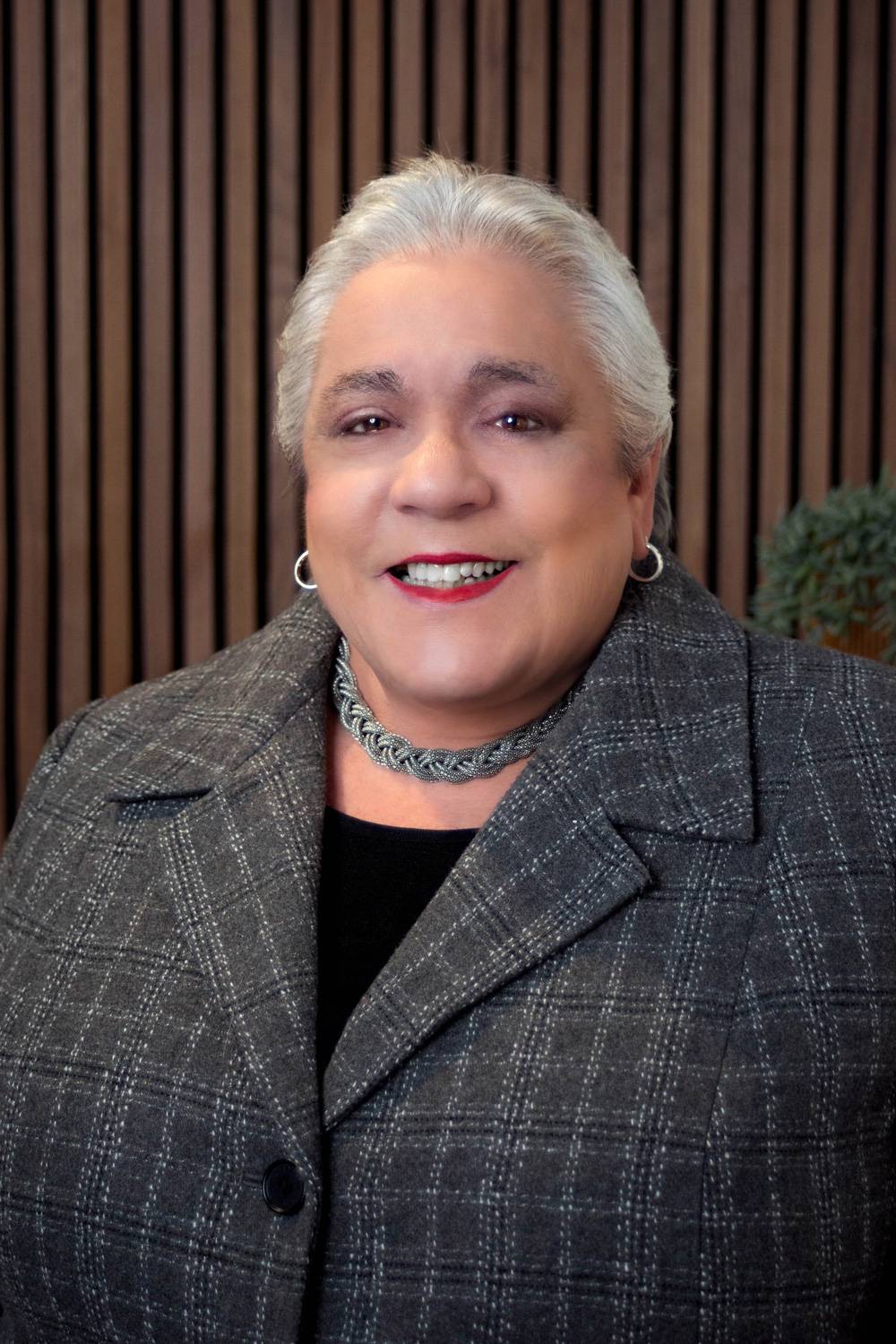
Karen Brosi, CFP, EA, has an extensive California tax practice, advising clients in individual tax and family wealth planning, specializing in complex individual income tax matters and all types of securities transactions. Her background as a CFP and as a tax preparer for the wealthy makes her particularly effective in the tax and financial planning arenas. Karen teaches tax professionals how to avoid tax minefields with her extensive planning checklists and practical tips. Besides being one of the most prominent California tax update instructors, she’s a favorite interviewee on radio, television, and in print media, such as Bloomberg Businessweek. Karen’s powerful real-life …