



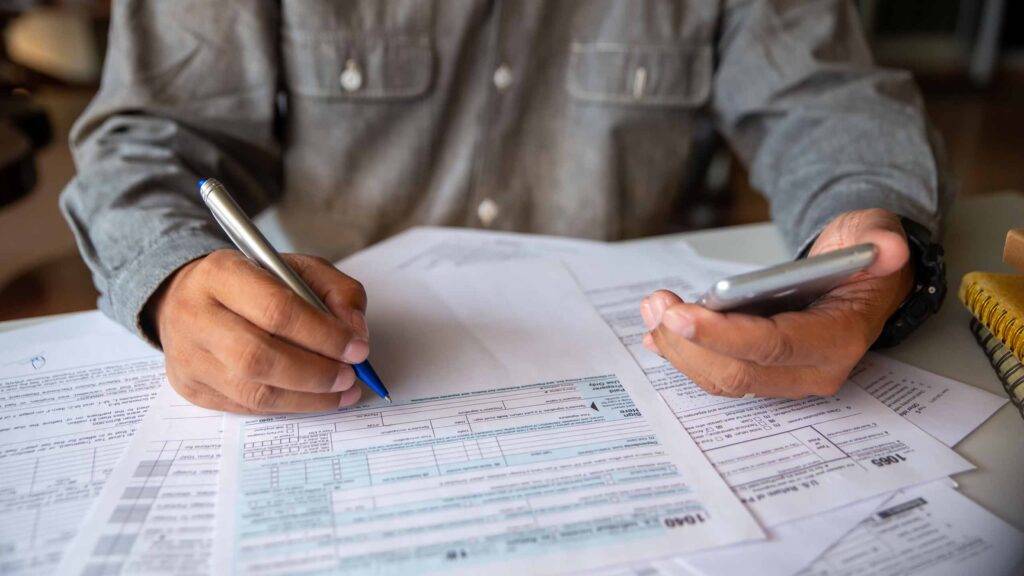
The familiar First Time Abate procedure is changing. The IRS has announced a new Automatic Exemption from Penalty, or AEP, that will automatically provide qualifying taxpayers relief from certain failure-to-file, failure-to-pay and failure-to-deposit penalties. Generally, taxpayers qualify when they filed and paid on time for the preceding three years, or 12 consecutive quarters for quarterly returns. Eligible taxpayers will not have to call the IRS or separately request relief.

The transition began during summer 2026. AEP applies to eligible original returns beginning with 2025 tax-year returns and 2026 quarterly returns. For eligible original returns with due dates on or after January 1, 2027, AEP will replace First Time Abate. The program applies only to specified return series, including Forms 1040, 1065, 1120, 940, 941, 943, 944, 945 and CT-1. Reasonable-cause relief remains available when AEP does not apply.
Do not assume the computer did its job. During the transition, eligible 2025 returns processed before AEP went live can still generate penalty notices, and those clients must request First Time Abate the old way. Keep FTA in the toolkit through 2026 and document any AEP notice for the file. And remember the math: one late year in the prior three, or one late quarter in the prior twelve, disqualifies the client, which makes cleaning up delinquent filers more valuable than ever.
Sources:
For more tax developments, visit the Western CPE eTax Alerts page at westerncpe.com/etax-alerts/.




Subscribe to our news, analysis, and updates to receive 10% off your first purchase of an on-demand digital CPE course.