


Shop the Spooky Sale: We’ve got scary deals on conferences, tax updates, seminars, and credit packages.
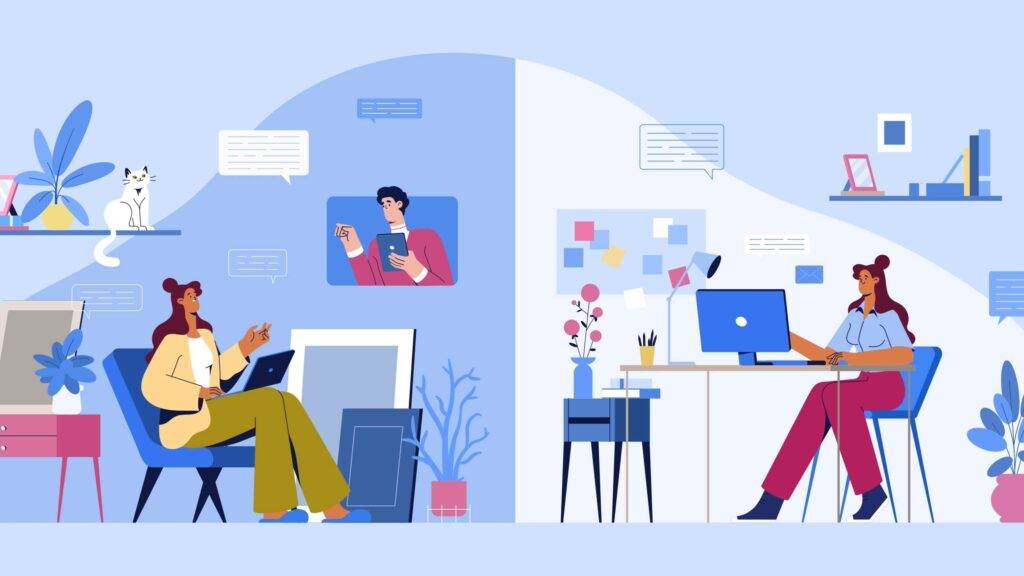
Remote work stopped being a pandemic experiment years ago. For accountants, it has become one of the more durable shifts in how the profession operates. In Robert Half’s early-2026 analysis of finance and accounting job postings, about one in four new roles offered hybrid or fully remote work, with hybrid arrangements making up the larger share. If you have wondered whether you can do serious accounting work from a home office without giving up career growth, compliance, or client trust, the short answer is yes.
Accounting was unintentionally built for this. The core tools already live online: cloud-based ledgers, tax prep software, client portals, and video meetings. Most of the day-to-day work, from reconciliations to financial reporting to return preparation, is organized around deliverables and filing deadlines rather than around being in a shared room. Add a hiring market where firms are competing hard for experienced talent, and remote flexibility becomes a benefit employers are willing to offer.
The demand side helps too. A wave of CPA retirements and a thinner pipeline of new entrants mean firms are rethinking geography. Hiring someone two time zones away is now more enticing.
The technical work does not change when you go remote. The soft skills do a lot more heavy lifting. With less in-person supervision and more control over your own schedule, four abilities matter most:
You are handling sensitive financial data, and your obligations under professional standards do not relax because you moved to the home office. You still have obligations:
If you mind these rules, they protect both your clients and your license.
A productive remote practice usually comes down to a few practical decisions.
Start with the workspace. A dedicated spot with a door you can close does more for focus and confidentiality than any app. Invest in your office space. Get a reliable internet connection, a second monitor, a decent headset, and treat yourself to a comfortable chair. You’ll be sitting for 10 or more hours during busy season.
Get your tech stack in order. Cloud accounting software, a secure document portal, a password manager, and a dependable backup plan cover most of what a solo or small-firm accountant needs. If you access an office machine remotely, use a tool built for secure remote access rather than a workaround.
Finally, set boundaries. The commute used to mark the start and end of your day. Without it, work can quietly expand to fill every hour. Define your working window, communicate it to clients and colleagues, and treat the savings (no commute, fewer interruptions, lower daily costs) as time and energy to reinvest, not to give back.
Remote work rewards people who keep learning, and the standards around it keep evolving. Building deliberate skills in remote operations, and staying current on the ethical and regulatory expectations that come with a distributed practice, is what turns “working from home” into a genuine long-term advantage.
If you want a structured way to sharpen those areas and earn CPE while you do it, these Western CPE courses cover exactly this ground:





Subscribe to our news, analysis, and updates to receive 10% off your first purchase of an on-demand digital CPE course.