



Shop the Spooky Sale: We’ve got scary deals on conferences, tax updates, seminars, and credit packages.
Accounting is more than the Ben Wyatts and Chandler Bings that fill your television screen on an episode of your favorite sitcom. Beyond the lens of those outside of the industry are accountants with various skills that make up the many branches of accounting, including the sleuthhounds themselves, forensic accountants.
Today, we’re uncovering forensic accountants and their use of accounting, auditing, and investigative skills by digging into what they do, how they do it, and where to start.
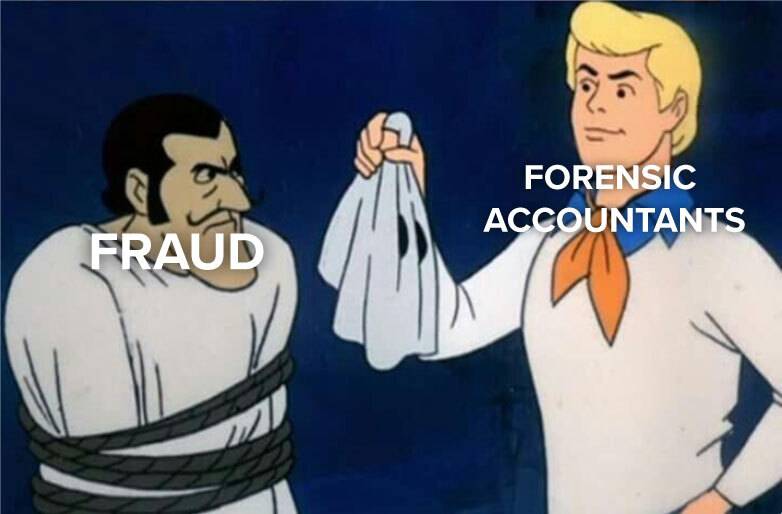
In the words of Mystery Inc.’s Fred Jones, “It looks like we’ve got ourselves a mystery.” It may be far-fetched, but let’s think of forensic accountants as the Scooby-Doo’s Mystery Incorporated of accounting. These are financial detectives who use their skills to solve legal mysteries by providing evidence that can be used in a court of law.
Forensic accounting is a branch of accounting that applies accounting principles and techniques within the legal field. By applying their distinctive qualifications, they expose fraud, embezzlement, and other financial crime within corporations, government agencies, and other organizations.
Forensic accountants are tasked with “following the money.” They trace the money trail looking for any evidence that may raise suspicion or point to malpractice. Often, to back the evidence they’ve gathered, they may testify in court as expert witnesses to provide insight into financial evidence.
Although related to the broader field of accounting, forensic accounting is its own specialty. Let’s take a quick look at the differences and similarities between the two:
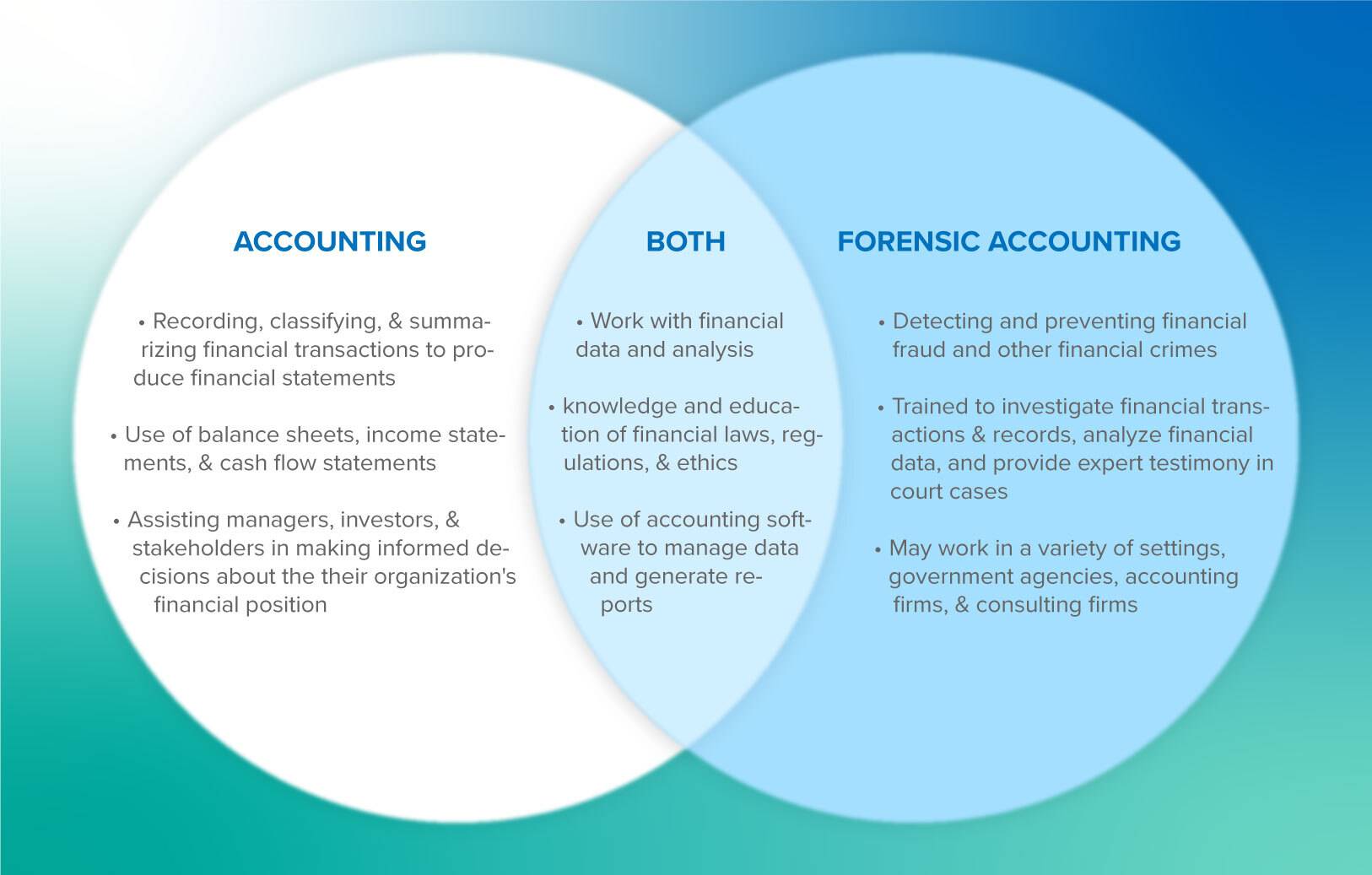
Forensic accounting plays a critical role in the legal system by providing impartial and accurate financial information to support legal decisions and to hold individuals and organizations accountable for their financial activities.
Forensic accountants might put their skills to use in several different contexts:
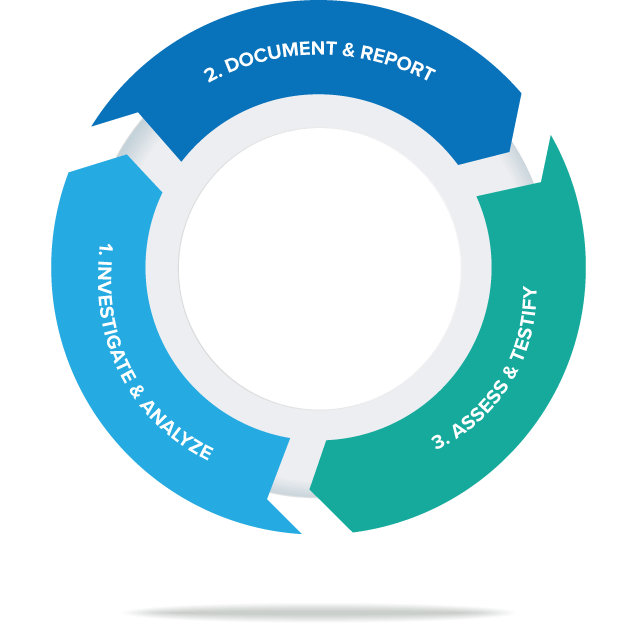
The amount of in-depth work done by forensic accountants can take a great deal of time and effort. Forensic accounting involves a range of procedures that come into play when investigating financial matters. Though the steps can be broken down in various ways, here’s an easy, three-step procedure to remember:
The forensic accountant will start by investigating and analyzing financial data and records to identify potential fraud, financial irregularities, or other financial discrepancies. This may involve interviewing company staff or reviewing financial statements, bank records, invoices, and other relevant documents.
After the initial investigation and analysis, the forensic accountant will prepare a report documenting conclusive evidence from their findings, with explanation. The report is then given to the head of the company, law enforcement, legal professionals, or other stakeholders to explain potential fraud and irregularities, help solve financial disputes, or provide information needed for future steps.
Forensic accountants also have a role in the assessment and finalization of their documented findings. They may assist in financial recovery through mediation, negotiating, or in some cases, pressing criminal charges. They are trained to be an expert witness in legal proceedings, presenting their findings and recommendations based on the evidence they collected.
Even the best sleuths have upgraded their toolkits. Today’s forensic accountants pair old-fashioned instinct with serious computing power. According to the Forensic CPA Society’s overview of the 2026 forensic accounting market, which draws on research from The Business Research Company, artificial intelligence, machine learning, and big-data analytics now help investigators comb through massive datasets for anomalies and connect transactions across different systems and jurisdictions. Two developments stand out:
So, you’re curious about forensic accounting. Where would you start?
Now that we’ve established that there are different kinds of forensic accountants, each with their own expertise, researching those different areas of expertise may be a good starting point. Once you know the specialty or specialties you’re most interested in, you can give yourself a head start on what education route is best for you.
Next, you’ll want to highly consider obtaining a Bachelor’s Degree in Accounting or related field. By pursuing a degree, preferred by most employers, you’ll build a foundation in accounting principles, financial analysis, and business. Some institutions may offer specialized classes, degrees, or Master’s programs that concentrate on the niches of forensic accounting.
These specialized classes and/or secondary degrees could give you a leg up in advancing your career in forensic accounting. Another way to do this would simply be gaining experience in the accounting field. Gaining a few years of experience in public accounting or auditing is crucial when building experience and skills. You may even look into courses or specialized training in data analysis, financial analysis, and investigation techniques for further development.
Finally, the most important step is to obtain a certification such as the Certified Fraud Examiner (CFE), Certified Forensic Accountant (Cr.FA), and/or Certified Public Accountant (CPA). Though accountants are not all CPAs, becoming a certified forensic accountant displays your expertise and knowledge in the field while proving you meet an employer’s professional requirements.
Once you’ve completed these steps, you’re ready to find the employer of your liking and grow your network.
Forensic accounting is predicted to be a fast-growing career field. The U.S. Bureau of Labor Statistics suggests that employment for accountants and auditors is expected to grow by 5% between 2024 and 2034, which is faster than the forecast average for jobs in other fields, with about 124,200 openings projected each year over the decade.
In addition, the global forensic accounting market was valued at roughly $6.3 billion in 2025 and is projected to reach about $9.62 billion by 2030, growing at a CAGR of around 9%, according to the Forensic CPA Society’s overview of the 2026 forensic accounting market (based on research from The Business Research Company).
Curious what the work pays? A forensic accountant salary generally runs well above general accounting roles. Citing Payscale data, Accounting.com puts the average forensic accountant salary at about $82,773 as of early 2026, and the Association of Certified Fraud Examiners reports that Certified Fraud Examiners earn roughly a 32% premium over peers without the credential.
If you find yourself drawn to solving mysteries and you have a knack for numbers, forensic accounting may be calling your name. Though it can be a challenging field, forensic accountants solve number mysteries and uncover monetary crimes to support the financial integrity of organizations.
Western CPE’s fraud and forensic courses are a great place to start exploring the field or deepening an existing specialty:





Subscribe to our news, analysis, and updates to receive 10% off your first purchase of an on-demand digital CPE course.