


Self-Study
Payables Management
The accounts payable function represents one of the greatest opportunities for increasing efficiencies within the accounting department. Payables Management shows the accountant how to set up and run the payables function, including many tips for operational improvements. The course goes further, exploring the accounting for payables transactions, record keeping, measurement systems, unclaimed property reporting, cost recovery activities, use taxes, and more. In short, this course provides the accountant with a complete toolkit of solutions for improving the payables function.
$246.50 – $272.00Price range: $246.50 through $272.00
Webcasts are available for viewing Monday – Friday, 8am – 8pm ET,
and Saturday & Sunday, 10am – 6pm ET.
Without FlexCast, you must start with enough time to finish. (1 Hr/Credit)
Please fill out the form below and we will reach out as soon as possible.
CPE Credits
10 Credits: Accounting
Course Level
Basic
Format
Self-Study
Course Description
The typical organization must deal with a continuing flood of supplier invoices and check requests from employees. There are usually demands to also issue payments as expeditiously as possible, despite an offsetting need to investigate each request to ensure that it is valid. Payables Management describes a number of alternatives for creating an efficient payables system that processes invoices at low cost, while still maintaining close control over the payments made. The book also covers an array of related topics, including procurement cards, use taxes, closing the books, payables controls, unclaimed property, and more.
The book is divided into two sections. In Chapters 1 through 9, the focus is on day-to-day payables activities, including invoice processing, alternative payment methods, and the accounting for a number of different payables transactions. In Chapters 10 through 18, the focus shifts to the management of and systems related to payables. These topics include department management, control systems, payables technology, record keeping, and those performance measurements most relevant to payables.
Need Flexibility?
Purchase now, choose later. Your credits are ready whenever you find the perfect courses for you.
Learning Objectives
Upon successful completion of this course, participants will be able to:
- Recognize the types of transaction cycles, as well as the effects of the different organizational structures.
- Specify the effects of the matching concept and the use of adjustment documents in invoice processing.
- Identify the types of payments, their advantages, and when they are used.
- Specify the exclusions from expense reports.
- Recognize the steps used in the reconciliation of a procurement card statement.
- Identify the parties involved in remitting sales and use taxes.
- Identify the concepts under which supply chain financing is offered to suppliers.
- Specify how accounting software applies information when an invoice is recorded.
- Specify how accrued expenses are calculated.
- Identify the types of process improvements, as well as the methods used to improve the layout of a department.
- Recognize the controls used for invoice processing, recurring payments, expense reports, procurement cards, and petty cash.
- Identify the types of fraud that can apply to payables.
- Cite the impacts and features of the different types of payables technology.
- Identify the fields used in the vendor master file, and the methods used to derive supplier identification numbers.
- Specify the uses of the Form 1099 copies.
- Identify the fields used in the Form 1099.
- Specify the situations in which backup withholding is not required.
- Recognize the rules under which unclaimed property is sent to the applicable state government.
- Specify the processes related to unclaimed property.
- Specify the areas in which cost recovery efforts can yield a significant return.
- Cite the situations in which certain payables measurements can yield incorrect or skewed results.
Course Specifics
SS126501545
November 17, 2026
There are no prerequisites.
None
243
Compliance Information
CMA Notice: Western CPE makes every attempt to maintain our CMA CPE library, to ensure a course meets your continuing education requirements please visit Insitute of Management Accountants (IMA)
CFP Notice: Not all courses that qualify for CFP® credit are registered by Western CPE. If a course does not have a CFP registration number in the compliance section, the continuing education will need to be individually reported with the CFP Board. For more information on the reporting process, required documentation, processing fee, etc., contact the CFP Board. CFP Professionals must take each course in it’s entirety, the CFP Board DOES NOT accept partial credits for courses.
Meet The Experts

Steven M. Bragg, CPA, is a full-time book and course author who has written more than 300 business books and courses. He provides Western CPE with self-study courses in the areas of accounting and finance, with an emphasis on the practical application of accounting standards and management techniques. A sampling of his courses include the The New Controller Guidebook, The GAAP Guidebook, Accountants’ Guidebook, and Closing the Books: An Accountant’s Guide. He also manages the Accounting Best Practices podcast. Steven has been the CFO or controller of both public and private companies and has been a consulting manager with Ernst & Young and …
Related Courses
-
Accounting
Accounting Fraud: Recent Cases
Patricia McCarthy, MBA & Joseph Helstrom, CPA
QAS Self-Study
Credits: 1$29$24.65 -
Accounting
GAAP Guidebook
Steven M. Bragg, CPA
QAS Self-Study
Credits: 29$580$493 -
Accounting
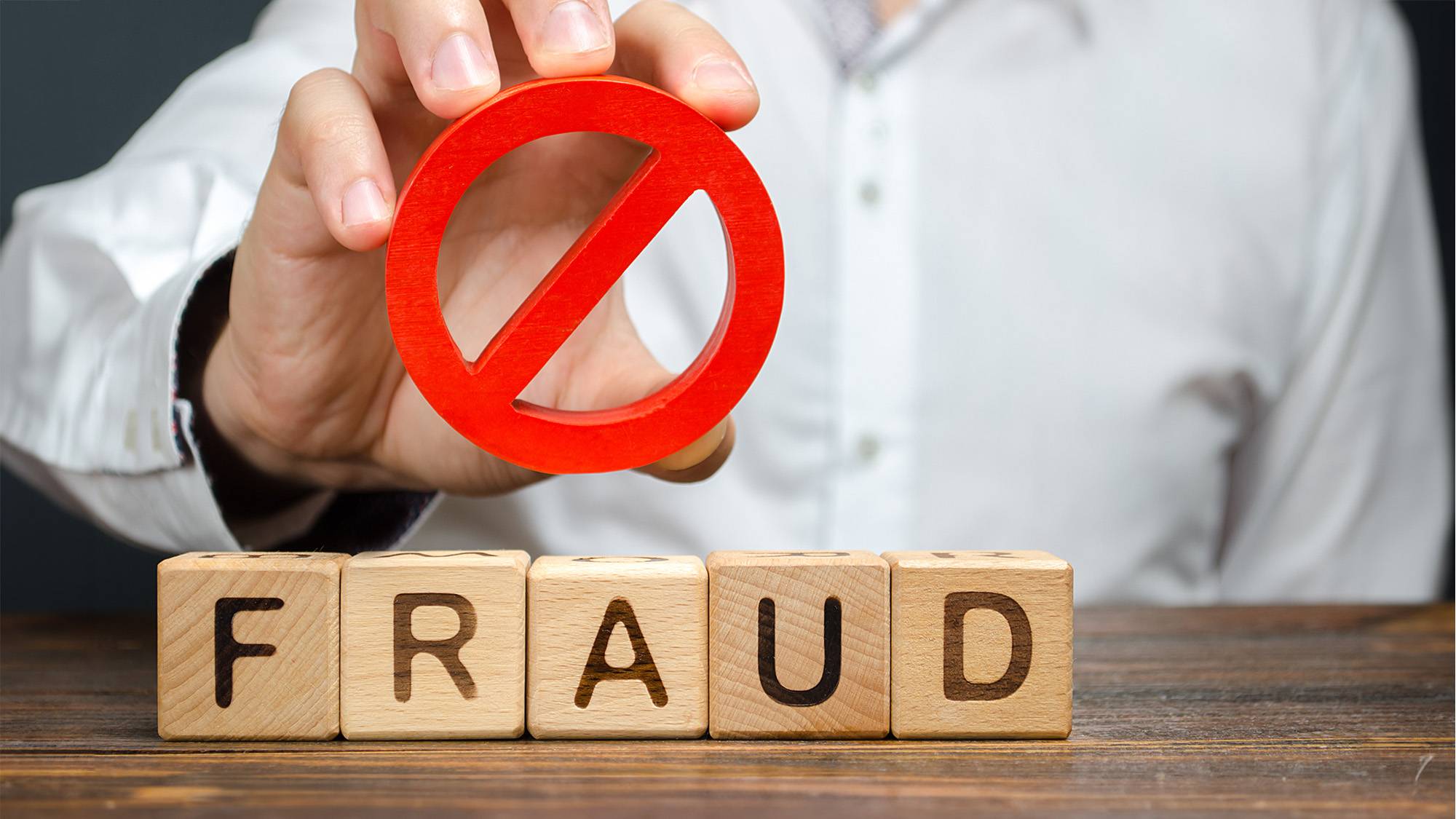
Fraud Examination: Prevention, Detection, and Investigation
Steven M. Bragg, CPA
QAS Self-Study
Credits: 12$336$285.60