

$364.00 – $404.00Price range: $364.00 through $404.00
Webcasts are available for viewing Monday – Friday, 8am – 8pm ET,
and Saturday & Sunday, 10am – 6pm ET.
Without FlexCast, you must start with enough time to finish. (1 Hr/Credit)
Please fill out the form below and we will reach out as soon as possible.
CPE Credits
14 Credits: Accounting
Course Level
Overview
Format
Self-Study
Course Description
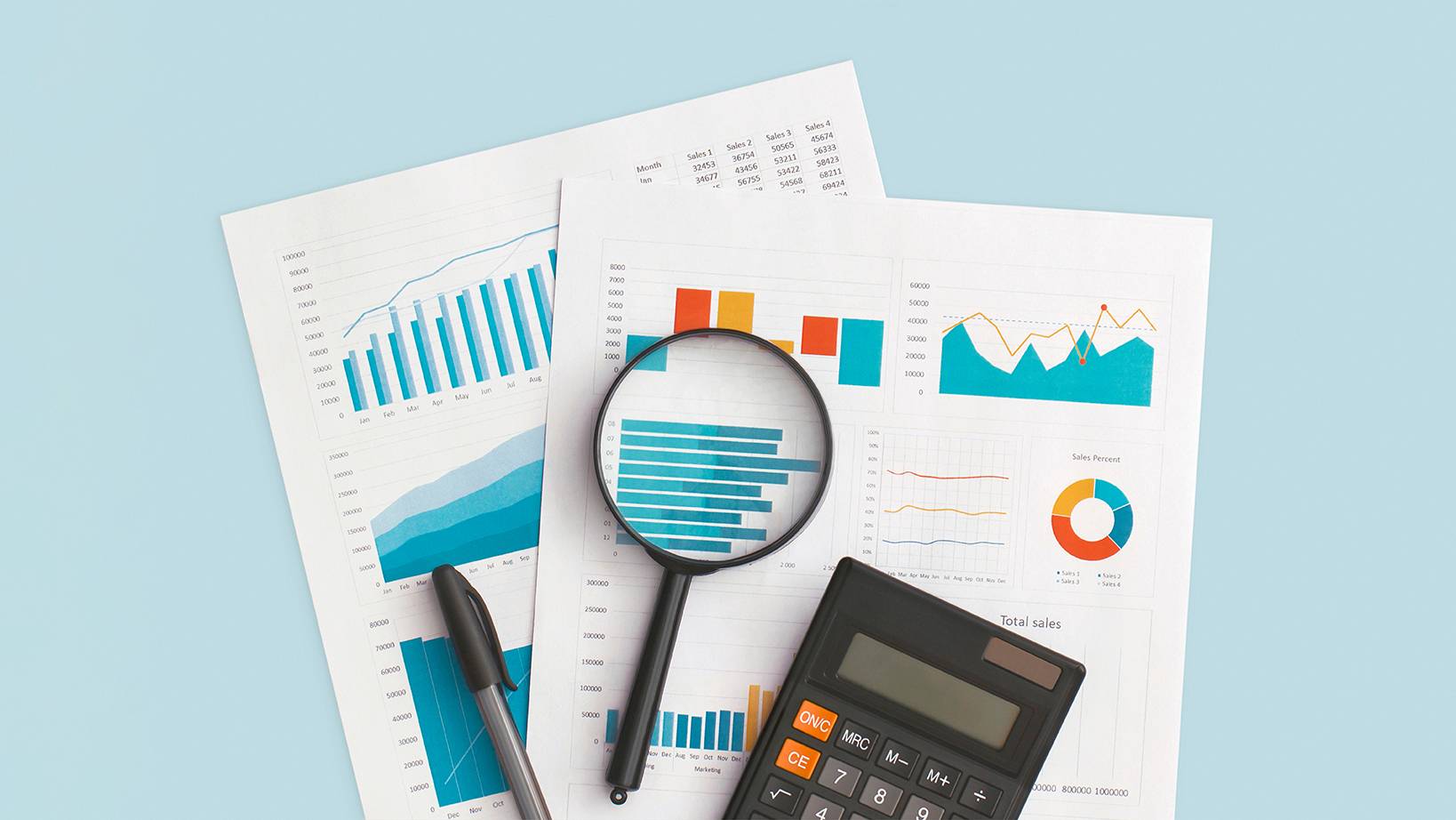
This course walks you through every aspect of the control environment for inventory, including the following: purchasing, receiving, storage, production, shipping, returns, counts, adjustments, valuation, and the period-end cutoff. You will learn how well-designed procedures connect warehouse activities to accounting records, reduce errors, reveal inventory losses, and give management better information for purchasing, production, fulfillment, and reporting decisions.
Need Flexibility?
Purchase now, choose later. Your credits are ready whenever you find the perfect courses for you.
Learning Objectives
Upon successful completion of this course, participants will be able to:
- Recognize the objectives associated with inventory controls.
- Recall the control types that support the different inventory objectives.
- Recognize why inventory controls are important to financial reporting.
- Specify the conditions that can increase inventory risks.
- Recall when expiration controls should be used.
- Recognize the risks associated with unauthorized inventory adjustments.
- Recall the conditions causing higher operational inventory risk.
- Recognize the need for blind receiving.
- Specify the evidence used for inventory receipts.
- Recall who should verify quantities received.
- Recognize the functions that should be separated from inventory custody.
- Recall why warehouse staff should have limited access to some records.
- Recognize the combinations of duties that increase inventory-related risks.
- Specify which controls improve physical counts.
- Recall the documents that support billing.
- Recognize why billing and shipping activities should be separated.
- Recall the functional area that should manage billings.
- Recognize the different types of compensating controls.
- Specify the controls that prevent unauthorized purchases.
- Recall the reason why purchase requisitions are used.
- Recognize the controls used to avoid buying from inappropriate suppliers.
- Recall the controls that cover damaged goods.
- Recognize the controls for the over-shipment of goods.
- Specify why receiving cutoff is so important.
- Recall the controls used to protect high-value goods.
- Recognize why bin location controls are needed.
- Recall the warehouse situations that weaken inventory controls.
- Recognize the main controls for item master records.
- Specify the reasons why units of measure can cause control problems.
- Recall the types of technology that can automatically track inventory.
- Recognize why lot and serial number tracking is useful.
- Recall the nature of perpetual inventory records.
- Recognize the conditions indicated by a negative inventory balance.
- Specify the risks associated with backflushing.
- Recall why inventory records should be reconciled to the general ledger.
- Recognize why bills of material should be tightly controlled.
- Recall the issues that can distort work-in-process inventory levels.
- Recognize the role that scrap reporting plays in monitoring production.
- Specify the different types of inventory transfer controls.
- Recall the risks associated with in-transit inventory.
- Recognize why intercompany transfers need to be controlled.
- Recall the controls that can prevent the unauthorized movement of inventory.
- Recognize the documents that support a shipment release.
- Specify the controls that can reduce picking errors.
- Recall how controls can minimize shipping cutoff errors.
- Recognize the control issues related to customer pickups.
- Recall the controls related to drop shipments.
- Recognize the processing steps for the issuance of a credit memo for returned goods.
- Specify the risks related to warranty and repair returns.
- Recall the main reasons for count planning.
- Recognize how count tags provide control over physical counts.
- Recall the methodology for resolving count variances.
- Recognize the reason for using an ABC inventory classification.
- Specify which inventory classification should be counted most frequently.
- Recall why cycle counters need to be independent.
- Recognize how to use root cause analysis in detecting inventory issues.
- Recall the circumstances under which cycle counts can replace a physical count.
- Recognize the documentation needed to support inventory adjustments.
- Specify why adjustment trends should be closely monitored.
- Recall how an aging report can be used to spot inventory issues.
- Recognize the conditions that require an inventory write-down.
- Specify the controls that can reduce fraud risk.
Course Specifics
SS126488426
August 27, 2026
There are no prerequisites.
None
281
Compliance Information
CMA Notice: Western CPE makes every attempt to maintain our CMA CPE library, to ensure a course meets your continuing education requirements please visit Insitute of Management Accountants (IMA)
CFP Notice: Not all courses that qualify for CFP® credit are registered by Western CPE. If a course does not have a CFP registration number in the compliance section, the continuing education will need to be individually reported with the CFP Board. For more information on the reporting process, required documentation, processing fee, etc., contact the CFP Board. CFP Professionals must take each course in it’s entirety, the CFP Board DOES NOT accept partial credits for courses.
Meet The Experts

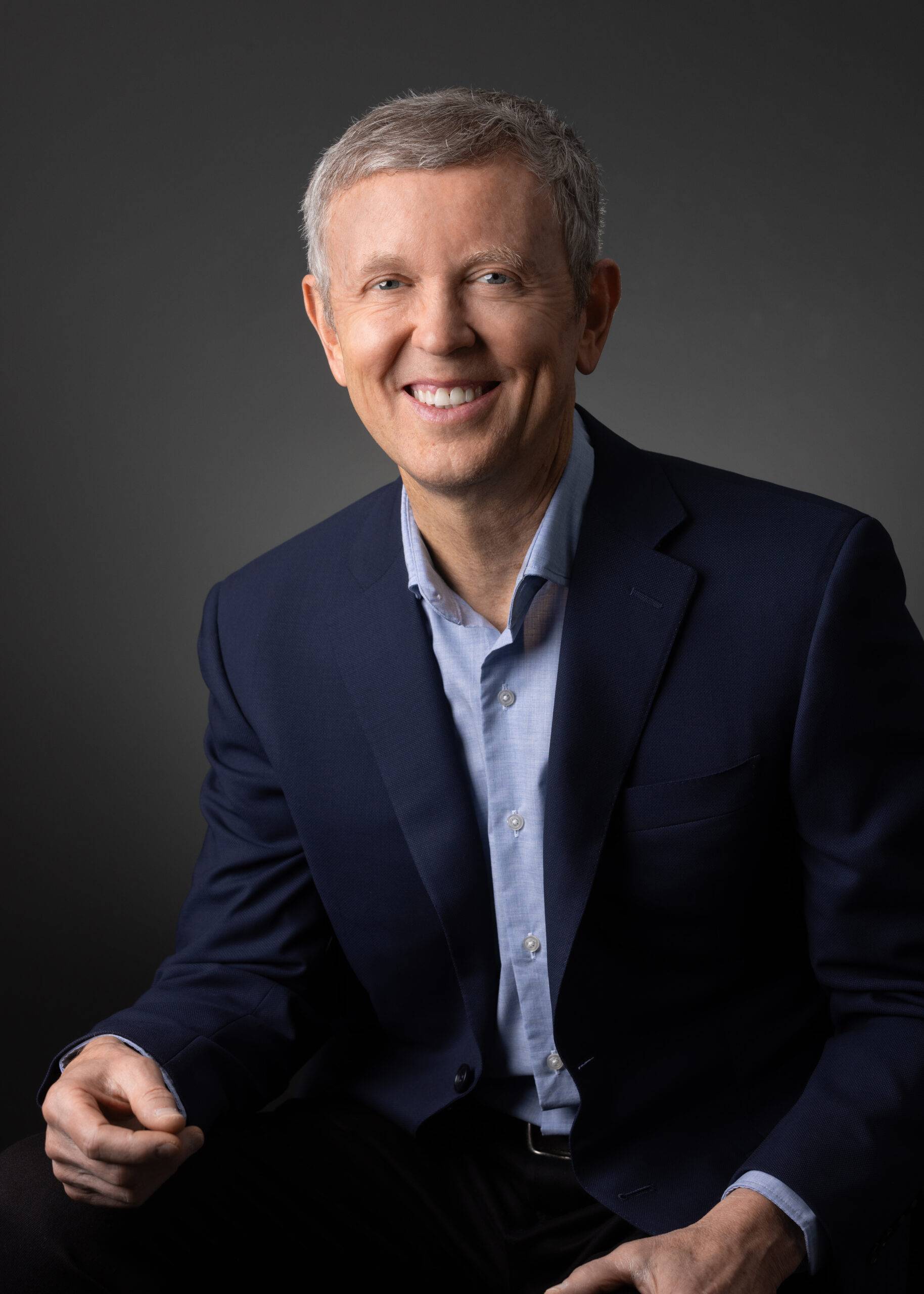
Steven M. Bragg, CPA, is a full-time book and course author who has written more than 300 business books and courses. He provides Western CPE with self-study courses in the areas of accounting and finance, with an emphasis on the practical application of accounting standards and management techniques. A sampling of his courses include the The New Controller Guidebook, The GAAP Guidebook, Accountants’ Guidebook, and Closing the Books: An Accountant’s Guide. He also manages the Accounting Best Practices podcast. Steven has been the CFO or controller of both public and private companies and has been a consulting manager with Ernst & Young and …
Related Courses
-
Accounting
Accounting Fraud: Recent Cases
Patricia McCarthy, MBA & Joseph Helstrom, CPA
QAS Self-Study
Credits: 1 $29.00 -
Accounting
GAAP Guidebook
Steven M. Bragg, CPA
QAS Self-Study
Credits: 29 $580.00 -
Accounting
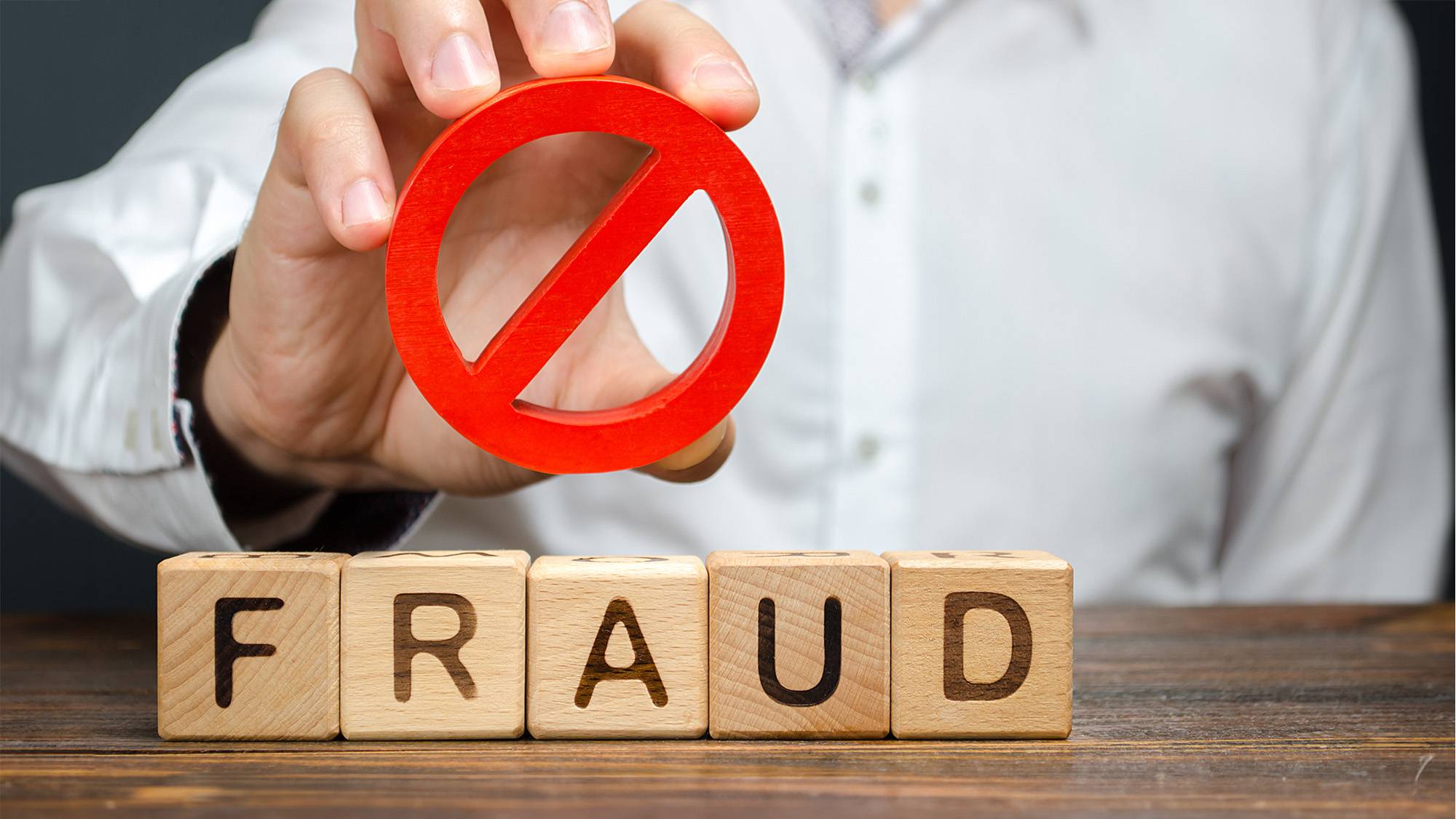
Fraud Examination: Prevention, Detection, and Investigation
Steven M. Bragg, CPA
QAS Self-Study
Credits: 12 $336.00